Fricy Flavors: The Sweet‑Heat Sensation Redefining Modern Cuisine
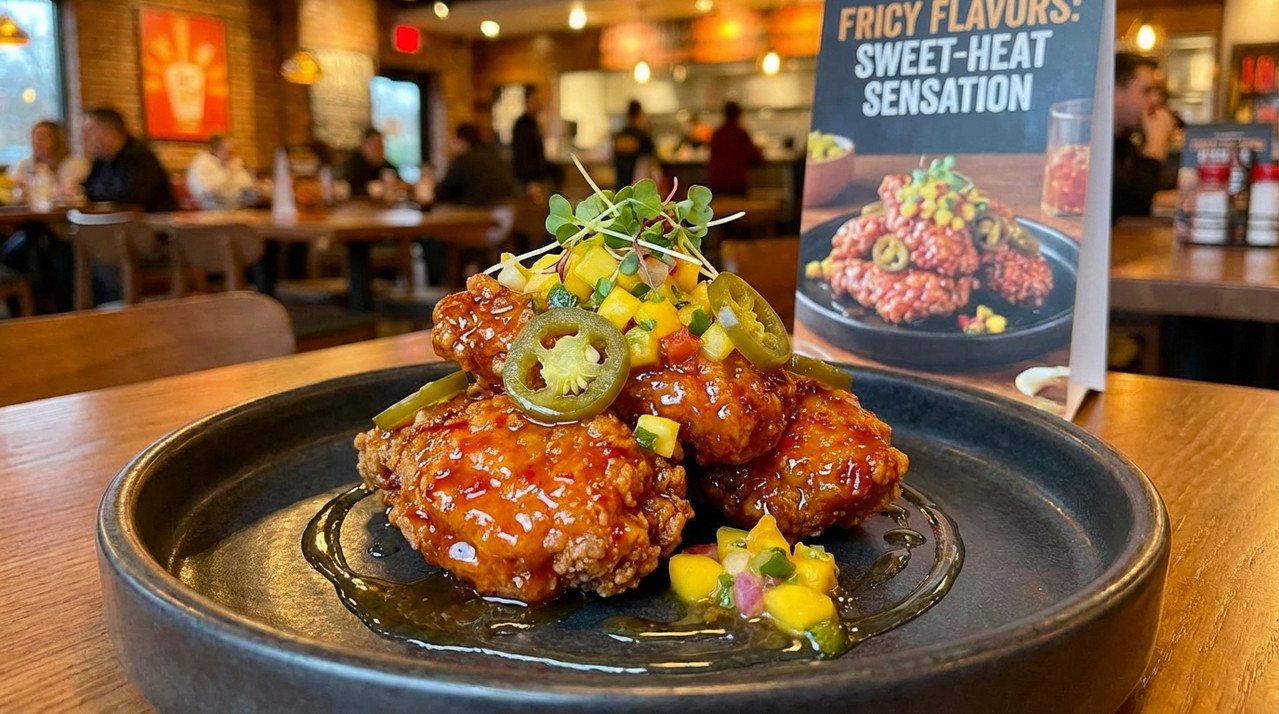
In the ever‑evolving world of gastronomy, a daring new trend is capturing the imaginations of chefs, home cooks, and food influencers alike: Fricy Flavors. The term, a playful mash‑up of “fruity” and “spicy,” describes the intentional pairing of sugary, aromatic fruits with a punch of heat. From drizzles of hot honey over fresh mango to salads that dance between sweet kiwi and fiery chili salt, fricy cuisine is turning the classic sweet‑and‑sour dichotomy on its head. This article dives deep into why these combinations work, how to master them, and the cultural forces propelling hot honey and fruit‑centric heat to the forefront of today’s palate.
Understanding the Fricy Concept
At its core, fricy cooking is about contrast. Sweetness triggers pleasure receptors that signal energy and ripeness, while heat activates pain pathways that, paradoxically, can heighten enjoyment when balanced correctly. This dual‑stimulus creates a sensory roller‑coaster: the initial burst of fruit‑laden sugar, followed by a lingering warmth that awakens the senses. The result is a flavor profile that feels both comforting and exhilarating, encouraging diners to linger longer at the table.
Scientists call this phenomenon “hedonic contrast,” and chefs exploit it by layering ingredients that each bring a distinct intensity. When done with precision, the heat never overwhelms the fruit; instead, it amplifies its natural vibrancy. Think of it as a musical chord where a bright, high‑pitched note (the fruit) is supported by a deep, resonant bass (the spice). The harmony is richer, more complex, and far more memorable than either element alone.
The “Hot Honey” Revolution
One of the most recognizable icons of fricy cuisine is hot honey. This amber elixir blends the viscosity of raw honey with a measured dose of capsaicin, usually derived from chili peppers, smoked paprika, or even ghost pepper extracts. The honey’s natural floral notes provide a sweet canvas, while the pepper’s heat adds depth and a subtle smokiness.
Hot honey first surged onto the scene in upscale brunch menus across North America, where it was used to drizzle over pancakes, cheese boards, and roasted vegetables. Its versatility quickly made it a staple for both sweet and savory dishes, and it didn’t take long for creative cooks to adapt it for fruit‑focused applications. Today, hot honey is a cornerstone of fricy flavor architecture, serving as the bridge between pure sweetness and spicy heat.
Why Fruit and Fire Pair So Well
Several scientific factors make fruit a natural partner for spice:
- Acidity: Many fruits contain citric or malic acid, which cuts through the richness of honey and balances the spiciness, preventing palate fatigue.
- Natural sugars: Fructose and glucose act as carriers for capsaicin, allowing the heat to linger longer on the tongue.
- Aromatic compounds: Essential oils in fruits (like mango’s terpenes or pineapple’s ethyl butyrate) amplify the sensory perception of heat, creating a layered flavor experience.
- Texture contrast: Juicy, crunchy, or fibrous fruit textures provide a tactile counterpoint to the smooth, viscous heat of honey.
Understanding these dynamics helps you choose fruit that won’t collapse under the spice, ensuring a harmonious mouthfeel.
Star Pairing: Mango with Chili Salt
One of the most iconic fricy combinations is mango with chili salt. Ripe mangoes boast a buttery, tropical sweetness that sings on their own, but when dusted with a blend of lime‑infused sea salt and finely ground dried chilies, the experience transforms. The salt extracts moisture, intensifying the fruit’s juiciness, while the chili adds a clean, upfront heat that is amplified by the mango’s natural sugars.
How to prepare this pairing at home:
- Select a perfectly ripe mango — look for a deep golden hue and a fragrant aroma.
- Slice the mango into bite‑size wedges.
- Mix 1 teaspoon of flaky sea salt with ½ teaspoon of smoked chili powder and a pinch of powdered lime zest.
- Lightly sprinkle the chili salt over the mango pieces, allowing the salt to adhere without overwhelming the fruit.
- Serve immediately, optionally garnished with a drizzle of hot honey for an extra layer of sweet heat.
This simple snack showcases how a modest sprinkle of spice can elevate an everyday fruit into a gourmet experience.
Spicy Fruit‑Infused Salads
Beyond single‑serve snacks, fricy flavors shine in full‑featured salads that marry multiple fruits with heat‑laden dressings. Below is a versatile recipe that can be adapted to seasonal produce.
Citrus‑Mango Heat Salad
- Base ingredients: cubed ripe mango, segmented blood orange, sliced fresh strawberries, and thinly sliced red onion.
- Green component: baby arugula or spinach for a peppery backdrop.
- Spicy dressing: whisk together 2 tablespoons of hot honey, 1 tablespoon freshly squeezed lime juice, 1 teaspoon finely grated ginger, and a pinch of cayenne pepper. Slowly drizzle in 3 tablespoons of extra‑virgin olive oil while whisking to emulsify.
- Finishing touches: sprinkle toasted pumpkin seeds and a few fresh mint leaves for brightness.
Toss gently to coat, then serve chilled. The result is a kaleidoscope of sweet, tangy, and spicy notes that dance on the palate, illustrating how fricy salads can serve as both side dishes and centerpieces.
Other Winning Fruit & Heat Combos
While mango‑chili is a classic, the world of fricy flavors offers endless possibilities. Below is a quick reference table that highlights some standout pairings, their dominant flavors, and ideal serving suggestions.
| Fruit | Heat Source | Flavor Profile | Best Use |
|---|---|---|---|
| Pineapple | Finely diced jalapeño + honey | Tangy sweet with crisp, sharp heat | Topping for tacos, grilled cheese, or pizza |
| Watermelon | Cayenne‑infused balsamic reduction | Juicy cool with lingering peppery warmth | Summer salad or chilled gazpacho garnish |
| Kiwi | Ground Sichuan peppercorns + sea salt | Bright acidic snap with numbing spice | Dessert drizzle or cocktail rim |
| Papaya | Chipotle powder + agave syrup | Mellow sweetness with smoky depth | Marinade for pork or chicken |
| Strawberries | Chili‑infused dark chocolate drizzle | Rich cocoa with a slow‑burning heat | Elegant appetizer or brunch garnish |
Each combination showcases how different heat sources — fresh chilies, ground spices, or infused syrups — interact with distinct fruit characteristics. Experimentation is encouraged; the only rule is to respect balance.
Crafting Your Own Hot Honey
Creating hot honey at home is surprisingly straightforward and allows you to tailor the heat level to your taste. Here’s a step‑by‑step guide that yields approximately ½ cup of honey.
- Gather ingredients: ½ cup raw, unfiltered honey; 1 teaspoon crushed red pepper flakes (adjust for heat), or ½ teaspoon finely powdered chipotle; optional: a pinch of sea salt for depth.
- Heat the honey gently: Place the honey in a small saucepan over low heat. Warm it until it becomes fluid — about 2‑3 minutes — being careful not to boil.
- Add the spice: Stir in the red pepper flakes (or chipotle) until fully incorporated. Simmer for another 2 minutes to allow the flavors to meld.
- Cool and strain: Remove from heat, let cool slightly, then strain through a fine‑mesh sieve to eliminate any solid particles.
- Store: Transfer to a sterilized jar, seal tightly, and refrigerate. The honey will keep for up to six weeks.
For a more nuanced heat, consider adding a splash of citrus zest, a few crushed vanilla beans, or a dash of smoked paprika to introduce smoky undertones.
Balancing Sweet and Spicy: Practical Tips
Even seasoned chefs can misjudge the equilibrium between fruit sweetness and peppery heat. Keep these guidelines in mind to avoid overwhelming your dish:
- Start low, taste often: Add heat incrementally, especially when working with potent spices like habanero or ghost pepper.
- Use acidity to temper heat: A squeeze of lime, a splash of vinegar, or a citrus‑based glaze can soften aggressive spiciness.
- Mind texture: Crunchy nuts or seeds can absorb excess heat, distributing it more evenly throughout the dish.
- Consider the fruit’s ripeness: Overripe fruit is sweeter and more prone to clashing with heat; slightly firmer fruit offers a better contrast.
- Pair complementary spice profiles: Smoked chilies pair well with stone fruits, while citrusy chilies complement berries.
Applying these principles will help you fine‑tune each creation, ensuring that the heat enhances rather than dominates.
Health Benefits of Fricy Flavors
Beyond flavor excitement, fricy cuisine offers several nutrition‑related perks:
- Antioxidant boost: Many fruits are rich in vitamins C and A, which combat oxidative stress.
- Metabolic activation: Capsaicin, the active component in chilies, can increase thermogenesis, supporting calorie burn.
- Anti‑inflammatory properties: Honey contains enzymes and polyphenols that may soothe sore throats and reduce inflammation.
- Gut health support: The probiotic qualities of raw honey paired with fruit fibers can promote a healthy microbiome.
When enjoyed in moderation, these sweet‑heat pairings can be a delicious way to enrich your diet with both macro‑ and micronutrients.
Where to Find or Create Fricy Delights
The fricy movement has transcended niche brunch spots and entered mainstream grocery aisles and online marketplaces. Here are some avenues to explore:
- Specialty food stores: Look for artisanal hot honey jars, often marketed as “Spicy Sweet Drizzle.”
- Farmers’ markets: Vendors frequently sell fresh, locally sourced fruits that can be paired on‑the‑spot with homemade spice blends.
- Online recipe platforms: Communities on Reddit, TikTok, and specialized food blogs share innovative fricy recipes and video tutorials.
- DIY experiments: Keep a stash of dried chilies, smoked salts, and raw honey in your pantry to instantly elevate any fruit presentation.
By blending accessible ingredients with creative intent, anyone can become a fricy flavor ambassador.
Conclusion: The Future of Sweet‑Heat Cuisine
Fricy Flavors represent more than a fleeting culinary novelty; they embody a shift toward multidimensional taste experiences that captivate modern diners. As consumers increasingly seek foods that are both indulgent and adventurous, the marriage of fruit sweetness with spicy heat offers the perfect solution. Whether you drizzle hot honey over a summer melon, sprinkle chili salt on a tropical mango slice, or assemble a vibrant fruit salad with a pepper‑infused vinaigrette, the possibilities are endless.
By understanding the science behind sweet‑heat synergy, mastering balanced recipes, and experimenting with a variety of fruit and spice pairings, you can bring the fricy revolution into your own kitchen. So the next time you reach for a piece of fruit, consider adding a dash of heat — your taste buds will thank you.